
-
-
Email
-

Blogs
FRP / GRP Fibre Glass Reinforced Plastic Storage Tanks.
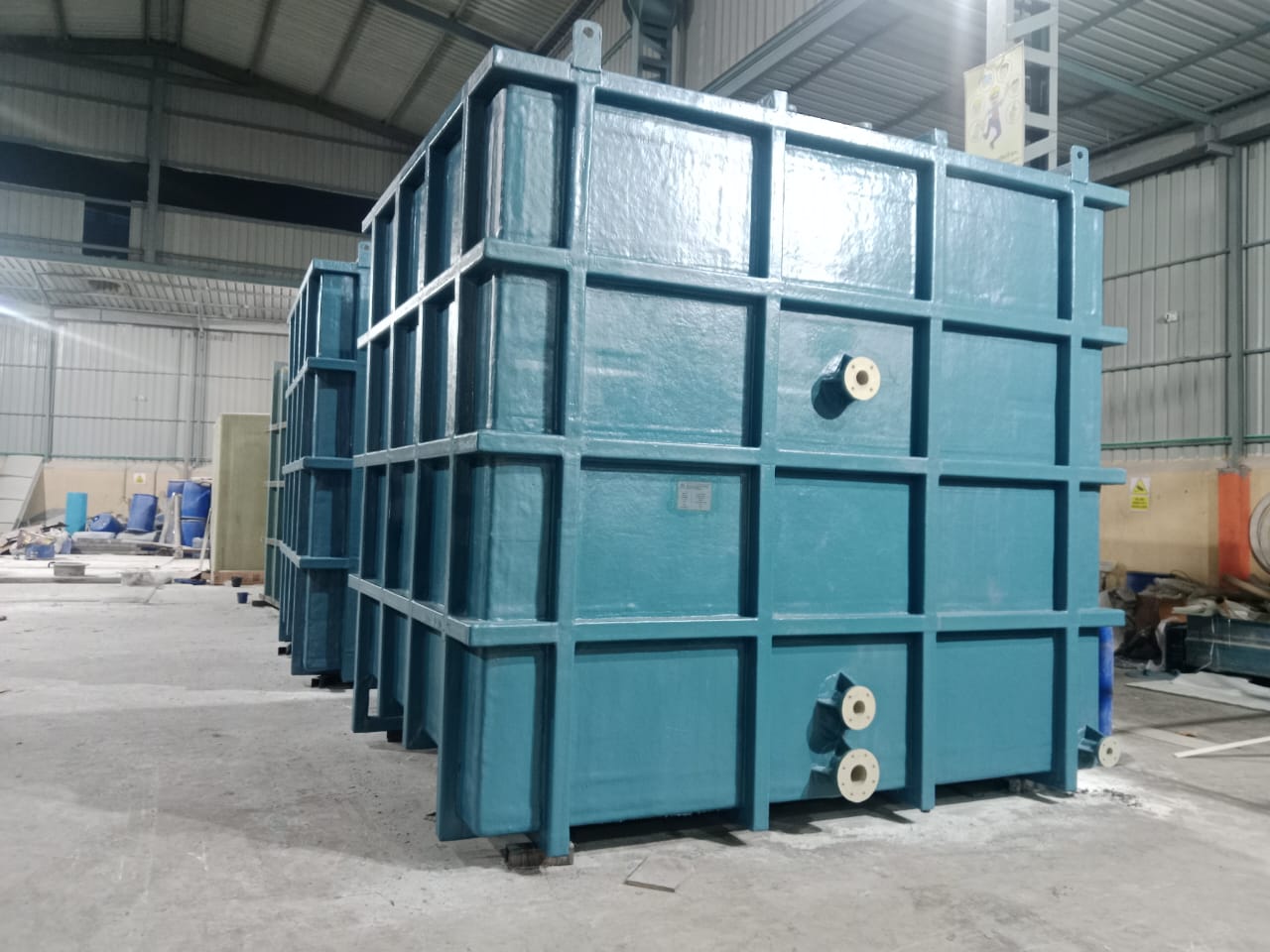
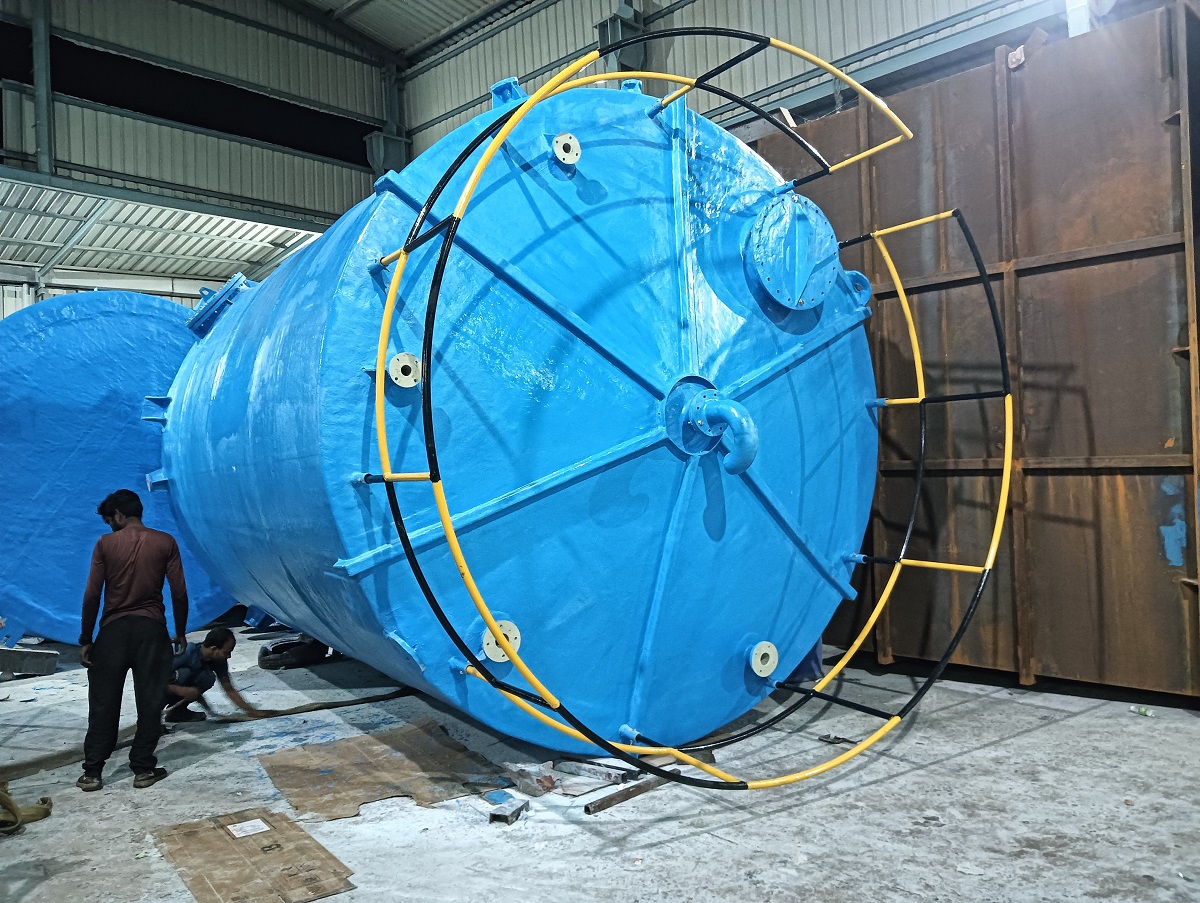
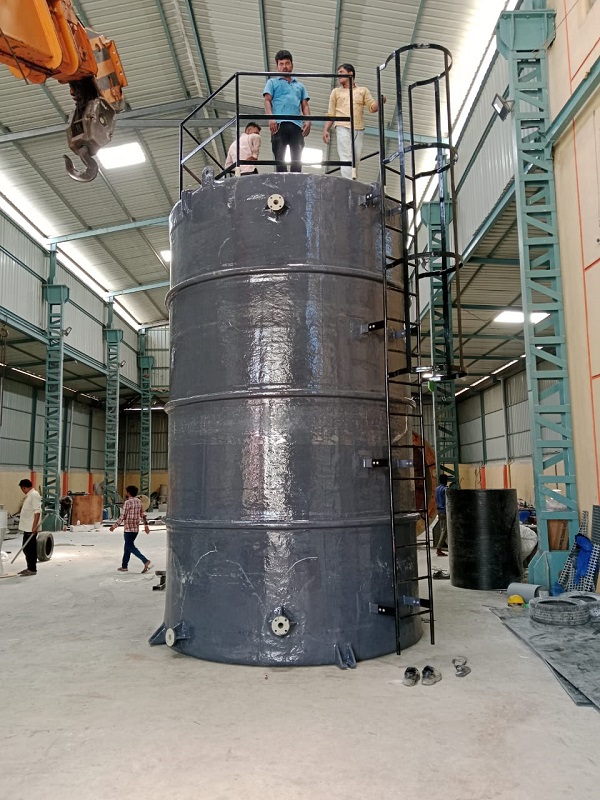
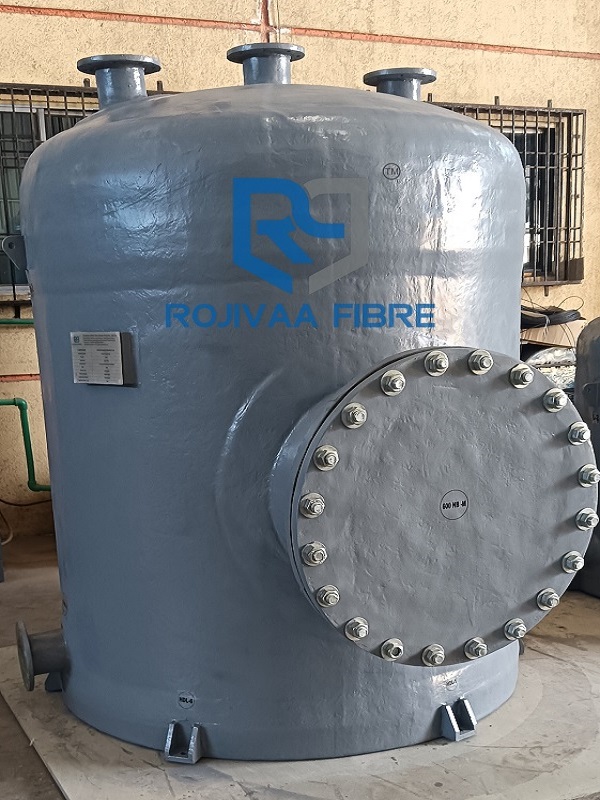
FRP, or fiberglass reinforced plastic, tanks have significant advantages over other commercial materials. Over the years of development, various materials have been used in the construction of water tanks for industrial purposes. Many integrated systems are constructed of non-reinforced concrete or polyethylene and steel, but they don’t necessarily provide the same benefits of fiberglass. So, what are the advantages of fiberglass reinforced plastic?
The prime reason for using fiberglass reinforced plastics (FRP) is because of their inherent corrosion resistance. Suppose you need a product that will be exposed to freshwater, saltwater, sanitary water, or even the high salt content in the air near the ocean. In that case, corrosive resistant FRP is your material. Paired with the right resin, FRP can hold up in the most corrosive environments.
High Strength To Weight Ratio: FRP is not only durable but lightweight as well. On average, FRP weighs around 5.5 times less than a similar steel piece and is 75% lighter than a comparable aluminum piece. This lightweight attribute of FRP products can allow for a much easier installation. (Easier installations mean much lower installation costs!)
Non-Conductive / EMI And RFI Transparency: Electromagnetic interference (EMI) or radio-frequency interference (RFI) is crucial to take into consideration when you have equipment or instrumentation that depends on accurate readings. FRP material is transparent to electromagnetic and radio frequency interference. Additionally, FRP is non-conductive, so it works well as an electrical insulator
Economy: A considerable advantage of FRP is its lower cost. FRP is almost one-sixth of the price of stainless or carbon steel. In many cases, FRP may offer both a satisfactory solution to corrosion problems and the lowest cost among material options. Due to its excellent corrosion resistance, FRP can save more than 70% on maintenance costs.
Flexibility: Fiberglass can be made into many different shapes and sizes relatively easily as compared to metal. It is best for many applications because you can do things with it that cannot be done economically with other materials. You can mold almost any configuration or piece of equipment. It is even possible to use FRP to line existing structures.
FRP tanks are among the best when it comes to a water storage system. It is second-to-none for economy, customization, and strength when compared to other offerings in the industry.
Why Choose a GRP / FRP Fibre Glass Reinforced Plastics Storage Tank?
Because it's the ideal container for your liquids and chemicals. GRP fibreglass is resistant to wear and weathering. Depending on what the tank will contain, fibreglass can also be customised with different resins and additives to withstand strong acids and temperatures of up to minus 200℃. Moreover, it's more cost-effective than traditional materials like steel - and with almost no maintenance required, you make a double saving long-term. Glass Reinforced Plastic (GRP) has a number of advantages over other materials, such as Resistant to corrosion, lightweight and High strength factor. If maintained correctly a GRP tank should have a lifespan of up to 25 years and within this time you won't need to worry about repainting or coating the tank during its lifespan. It is however important to note that it's good etiquette to have the tank inspected and disinfected annually to prevent any harmful bacteria from entering the water source for human consumption. Further to our standard range of sizes these can be custom design in a variety of resin bisphenol , Vinyl ester, Isophthalic, and many more. Typical application includes water and corrosive liquid such as sewage sludge general effluent, liquid fertilizer, brine and aggressive chemical storage.
M.O.C : Tanks & Vessels can be made in the following materials of construction FRP.
M.O.C : Tanks & Vessels can be made in the following materials of construction FRP using various grades of resin like Isophthalic (Polyester), Vinyl Ester, Bisphenol, Super Vinyl Ester etc. Dual laminates like PP + FRP, PVC + FRP, PVDF+ FRP, FEP + FRP, PFA + FRP, HDPE + FRP.
Which kinds of tanks can you build out of fibreglass?
Fibreglass can be moulded into almost any shape, which is why we can construct many different types of storage tanks in GRP fibreglass, including :
- Vertical & Cylindrical Tanks
- Horizontal Tanks
- Flat Bottom Tanks
- Slope Bottom Tanks
- Cone Bottom Tanks
- Dish Bottom Tanks
- Cylindrical Horizontal Tanks
- Cylindrical Vertical Tanks
- Double-Wall Tanks
- Rectangular Tanks
More Strength: Fibreglass reinforced plastic( FRP) has high strength in forming equipment for the various application be its use in storage tank, pressure vessel, scrubbing system, etc.
Affordable: FRP is economic from the manufacturing point of view, and affordability is a crucial factor over other materials to be used.
Flexibility: FRP material is flexible, and this quality makes favourite in choice over other content. Saves labour cost and easy installation One more advantage of FRP is that it helps in cutting expenses on labour and installation.
Fast Construction Speed: FRP helps in increasing the speed of construction of equipment and less time consuming from the industry's point of view.
Durability: FRP is durable and has a long life than steel or aluminium and lasts longer and yet more productive service life and requires no replacement nor much maintenance.